Notice: Function Elementor\Core\Experiments\Manager::warn_removed_or_hidden_dependency was called incorrectly. Feature mega-menu depends on hidden experiment nested-elements. Please see Debugging in WordPress for more information. (This message was added in version 4.3.4.) in /home/bimplusi/public_html/wp-includes/functions.php on line 6260
BIMPLUS.ID

What's your next
digital breakthrough?

The Optimum Investment Level in Technology

In practice, the optimum investment level depends on more detailed considerations such as the nature of the industry and the market position of the company or business unit.

We help businesses grow and nurture a consumer-first mindset within technology.

Capabilities

Our capabilities approach based on project management practices.

Digital Construction

Refers to the comprehensive transformation of the construction industry through the integration of advanced digital technologies such as Building Information Modeling (BIM), Internet of Things (IoT), artificial intelligence (AI), digital twins, and cloud-based platforms across the entire lifecycle of built assets. It enables data-driven decision-making, real-time collaboration among stakeholders, and automation of design, construction, and operational processes. More than a technological shift, digital construction represents a strategic rethinking of how infrastructure is conceived, delivered, and sustained, prioritizing resilience, sustainability, and adaptability in the face of global challenges such as climate change, urbanization, and resource scarcity. This approach forms the foundation for continuous innovation and long-term value creation across our projects and asset portfolios.

Sustainability

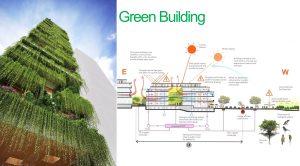
Building Information Modeling (BIM) has emerged as a critical enabler of sustainable construction by facilitating a data-driven, collaborative, and performance-oriented design and construction process. At the conceptual stage, BIM enhances early-stage design decision-making by enabling rapid generation and evaluation of multiple design alternatives. This iterative exploration supports alignment with client values and functional requirements, which are foundational to sustainable design assessments. Consequently, the potential for late-stage design modifications and their associated impacts on cost, quality, and waste is significantly reduced.

E.S.G. (Environmental, Social and Governance)

The increasingly crucial management of ESG (Environmental, Social, and Governance) in the AEC (Architecture, Engineering, and Construction) industry still faces major challenges due to the lack of ESG-specific domain knowledge and secure data management approaches. In this context, the use of Building Information Modeling (BIM) can be a strategic solution, as BIM can integrate and visualize various ESG indicators relevant to construction activities. By supporting data interoperability and cross-stakeholder collaboration, BIM can strengthen the implementation of frameworks such as BESGI (Blockchain-ESG Integrated) that utilize blockchain technology to ensure the security, traceability, and resilience of ESG data. The integration of BIM with smart contract-based approaches in BESGI enables the automation of ESG data tracking and validation, while paving the way for further developments such as Natural Language Processing (NLP) and machine learning for more efficient and sustainable ESG data management in construction projects.

Renewable

Digital technologies enhance efficiency and attract investment in the renewable energy sector by driving innovation across the energy value chain. Through smart grids, IoT, and predictive analytics, energy production and distribution become more optimized and adaptive. Tools like digital twins, blockchain, and AI enable data-driven decision-making, predictive maintenance, and transaction transparency, reducing operational risks and costs.

Additionally, digital energy management systems, remote monitoring, and new business models such as peer-to-peer energy trading and virtual power plants accelerate the shift toward a clean, intelligent, and decentralized energy system that appeals to investors.

Digital Transformation

Digital transformation in the construction industry has been key to addressing the global challenges of sustainability and efficiency facing the sector. This process involves integrating digital technologies into every stage of the construction project lifecycle — from planning and design to construction and maintenance — thereby fundamentally changing conventional working methods. A central component of this transformation is Building Information Modelling (BIM), which takes a collaborative, data-driven approach to managing built assets. BIM enables various stakeholders to collaborate through a digital platform that supports more informed communication, coordination, and decision-making.

Although BIM has been widely adopted by developed countries as a key tool for improving project efficiency and transparency, developing countries still face various barriers to its implementation. These include limited resources, inadequate technological infrastructure, and a low level of organizational readiness for digital change. High levels of fragmentation, incomplete documentation, and inefficient information management practices further exacerbate the situation. In this context, BIM offers a systemic strategy to reduce inefficiencies, improve communication between project phases, and bridge the digital divide between developing and developed countries. Therefore, it is important to strengthen research and policies that support the adoption of BIM in developing countries in order to promote inclusive and sustainable digital transformation.

Business Building

Digital construction transforms the way projects are designed and built, opening up space for new business models based on efficiency, transparency, and sustainability. Supported by technologies such as cloud-based project management, digital twins, BIM (Building Information Modelling), the Internet of Things (IoT) and artificial intelligence (AI), companies can develop new service portfolios, establish digital EPC (Engineering, Procurement and Construction) units, or pioneer businesses in smart facilities and asset lifecycle services. In terms of business development, digital construction provides a strategic foundation that enables companies to transcend conventional boundaries and design a more adaptive, data-driven, and long-term business future.

In the context of BIM, it is not just a 3D modelling tool; it is also a collaborative platform that enables cross-functional integration from the planning and design stages through to asset management. This allows companies to design and execute construction projects and new facilities more efficiently, digitally, and on a larger scale. This creates opportunities for new business lines in digital construction, data-driven facility management, and BIM-based consulting services. Adopting BIM as part of their digital and innovation strategy enables companies to validate ideas more quickly, reduce the risk of physical investment, and strengthen their position in response to increasingly dynamic and sustainable market demands.

Our Services

We provide the world’s best consulting-related services to grow your business. As consultants, we are committed to developing and promoting the value-added of BIM in order to deliver improved project outcomes for the benefit of society.

3D Model

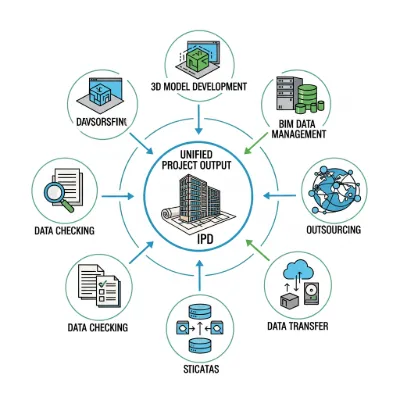
BIM+ can outsource 3D modelling, BIM and CDE data checking from the project team, CDE data transfer to the owner’s system, or BIM maintenance until the output of the LOD model is developed and the information contained therein, thus becoming one integrated piece or what is commonly referred to as Integrated Project Delivery (IPD).

Consulting

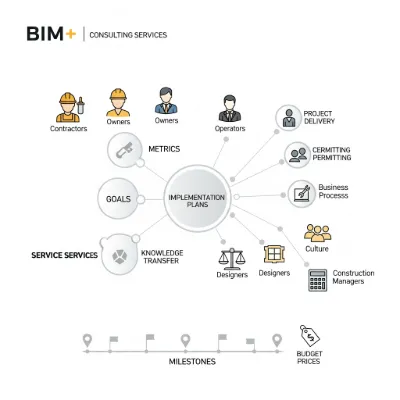
BIM+ provides internal and designer/contractor requirements, with goals and metrics, and plans to achieve them. We also provide our valued clients with knowledge of all BIM perspectives of designers, engineering, contractors, CM, and owners, operators, and understand project delivery, contracts, permitting, responsibilities, business processes, and culture, as well as BIM implementation plans with milestones and budget prices.

Smart Project Delivery with BIM

This is a modern approach to construction and infrastructure project management, combining Building Information Modelling (BIM) with smart digital practices to improve efficiency, collaboration, accuracy, and sustainability throughout the entire project lifecycle, from planning to operations. It’s not just about using BIM software; it’s about integrating data, technology, and processes within a single ecosystem to enable informed, real-time decision-making.

Building Lifecycle Optimization

The integration of intelligent, modern systems based on BIM technology into construction project management is an essential aspect of the building process. An effective construction system involves modelling an intelligent system based on BIM technology, making use of participatory work, data interoperability, component-based modelling, parametric design, clash detection, 4D and 5D BIM integration, the Internet of Things (IoT), sensor integration, cloud-based connectivity, and regulatory consistency.

Digital Twin for Energy Systems

This is a dynamic digital representation of a physical energy system, such as a power plant, solar panel, distribution network, or renewable energy facility, that is connected in real time through sensors, the Internet of Things (IoT), and operational data. This technology enables much more accurate condition monitoring, performance prediction, and data-driven decision-making. With a digital twin, operators can run scenario simulations, perform predictive maintenance, optimize energy efficiency, and respond proactively to system disruptions. In the context of the energy transition and sustainability, digital twins play an important role in integrating renewable resources, intelligently managing loads, and improving system reliability while reducing the carbon footprint. This makes the digital twin a vital foundation for the complex and evolving digital transformation of the energy sector.

Digital compliance within the AEC and industrial sectors

This refers to the application of standards, regulations, and best practices throughout the project and operational lifecycle via integrated digital systems. This includes utilizing BIM (Building Information Modelling), electronic documents, a Common Data Environment (CDE), and automated auditing and reporting to ensure compliance with technical, safety, environmental, and governance requirements. In the AEC sector, digital compliance helps to ensure that designs comply with building and zoning regulations and supports quality verification during construction. In the industrial sector, this involves tracking occupational safety standards, certifying production processes, and integrating real-time, data-driven quality systems. Digital compliance enables companies to reduce the risk of regulatory failure and increase transparency, efficiency, and accountability in project and asset management.
Training

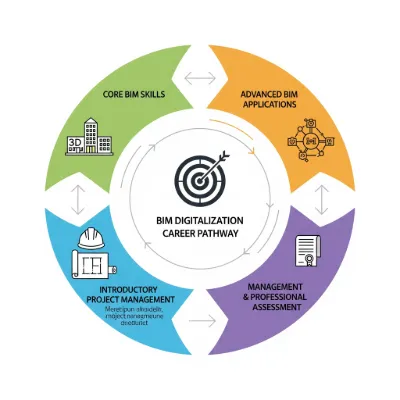
It offers a progressive structure for career development, from introductory courses on the fundamentals of project management to more advanced learning and assessment at the management and professional levels, which are required by the digitalization of BIM.

About Us

Our Commitments

BIM+ team supports individuals and companies in adopting and developing BIM technology through a progressive, relevant, and current approach based on project management practices.

The team’s expertise has established BIM+ as a trusted name in the AEC industry. Stakeholders such as architects, engineers, contractors, and government agencies around the world trust us to deliver outstanding results in over 10+ diverse sectors.

Meet Our Team

Founder / Digital Construction

VDC & BIM Manager

BIM Coordination Manager

BIM Coordinator / BIM Specialist

Our Purpose, Mission and Values

In today’s ever-changing digital age, project professionals are at the forefront of driving change. The environment for project delivery is becoming increasingly complex. There is a need for the project profession to be better understood and standardized, especially in the digital construction industry, where the highest possible standards must be set.

We create opportunities, deliver education and training, conduct research, and provide resources in the field of Building Information Modelling (BIM) technology. We facilitate the sharing of best practice and provide the digital construction community — comprising individuals and businesses — with the opportunity to connect and discuss.

We understand that achieving the desired results is key to better project delivery. We believe it’s about more than just the process. Where it makes a difference, we champion new digital construction-focused BIM technology for individuals and companies alike. In a complex and ever-changing world, we help project professionals improve. It’s a world of exploration, challenge, and attention to detail. We realize that to achieve this, we must inspire everyone to embrace BIM technology. Fast-moving technology presents companies with significant strategic opportunities and risks.

Our Purpose

To help project professionals and the digital construction community improve project delivery through the adoption of BIM technology.

Our Mission

To inspire people to deliver meaningful change for the benefit of society by advancing the science, theory, and practice of digitalization in BIM.

Our Values

🗹 Commitment to high standards in project delivery
🗹 Sharing best practices and connecting communities
🗹 Championing innovation and digital transformation
🗹 Focus on education, training, and research
🗹 Belief in the importance of purpose-driven impact, not just process
🗹 Attention to detail, exploration, and embracing challenges

Our Partner

Collaboration is not just short-term co-operation, but the realization of a shared, sustainable vision. By engaging our partners as strategic partners, we open a new chapter in a broader transformation journey, bringing solutions, innovation, and real impact to the future.

This relationship is built on trust, synergy, and long-term commitment. We are confident that, together with our Partners, we can navigate challenges and create new opportunities sustainably, for inclusive and future-oriented growth.

Featured Insights

Explore articles prepared exclusively for BIM+ Publishing by BIM+ authors on important digital construction issues, from Models and LOD to digital transformation, corporate finance, and more. For our series of interviews with authors of articles on business and beyond, visit Author Talks.

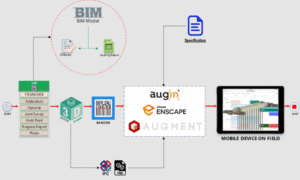
Real-Time Cost Adjustments

The implementation of BIM on projects will change many ways and information and even change the work process in a company or project. Here is an illustration of how the

Read More »
Contact Us

How Can We Help You?
FILL OUT THE FORM AND WE’LL BE IN TOUCH SOON!

Let's Connect!

+62 851-2133-7684

Address

Jl. Raya Jatiwaringin, Jakarta Timur, Indonesia

abimpi@bimplus.id

Join Our Community
BIM+ brings project professionals together to network, learn, and share aspects of project management with the Building Information Modeling Technology
BIM+

PT. Tosa Global Dimensi

Our brand promise is to provide solutions and value through an approach that is experienced, quality-focused, fast, and consultative.

Our Services
Contact Info